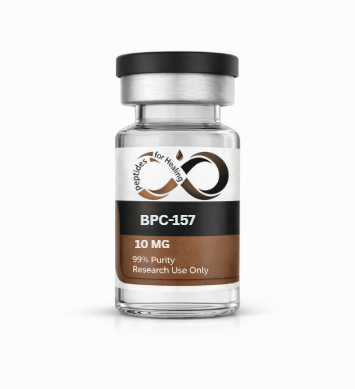
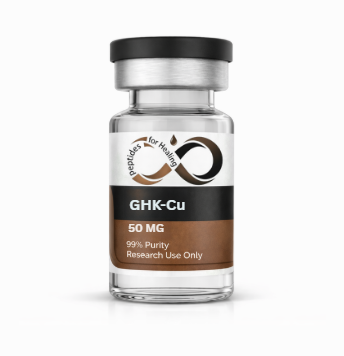
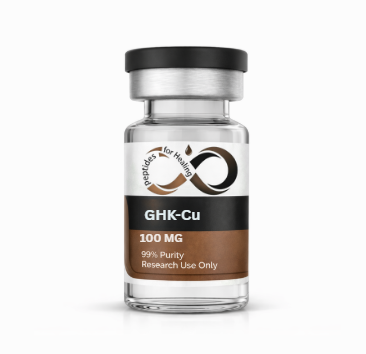
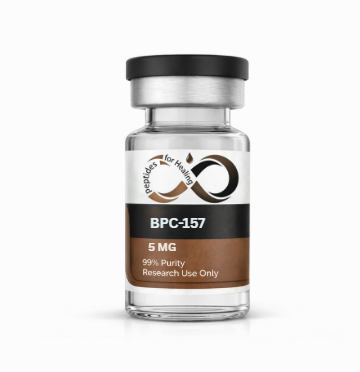
Therapeutic use of peptides has been around for over a century, starting with the discovery of insulin in 1921. Today, regenerative medicine uses targeted peptides to support injury recovery, improve joint function, and accelerate healing after surgery. Unlike traditional pain medications that mask symptoms, peptides activate natural healing pathways, stimulating blood flow, collagen synthesis, and cellular repair.
Read More
How Peptides Promote Healing and Reduce Pain
Improved Blood Flow:
Certain peptides, such as BPC-157, stimulate angiogenesis, the formation of new blood vessels. This improves oxygen and nutrient delivery to injured tissue, particularly in areas like tendons where blood flow is naturally limited.
Accelerated Tissue Regeneration:
Peptides activate fibroblasts, the cells responsible for producing collagen and structural proteins. This supports healing for tendons, joints, bones, and wounds, shortening recovery timelines.
Balanced Inflammation Control:
Peptides help regulate inflammation without shutting it down completely. This allows proper healing while reducing swelling and discomfort, making them ideal for chronic joint pain and post-injury recovery.
Nerve Repair:
For neuropathic or nerve-related pain, peptides like BPC-157 may support axonal regeneration, promoting nerve healing and reducing long-term irritation.
Key Peptides for Healing
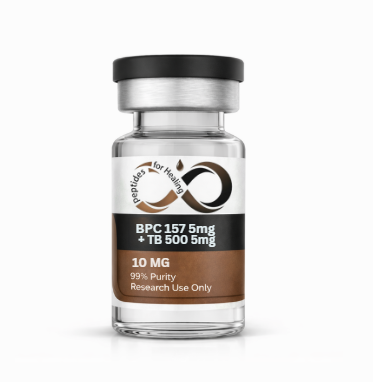
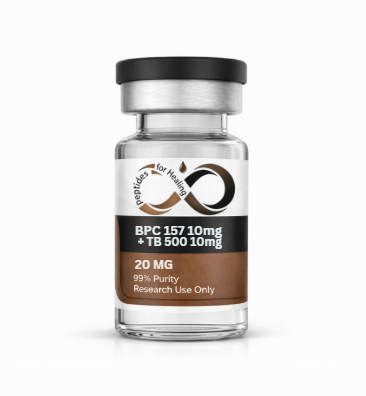
BPC-157 – The Tissue Protector:
Supports tendon, ligament, muscle, and joint repair, as well as gut lining health. Often used for injury recovery and post-surgical healing, it can help improve mobility and reduce pain.
TB-500 – The Mobility Enhancer:
Promotes cellular migration, reduces scar tissue, and supports flexible, functional repair. Ideal for post-surgical recovery, large muscle injuries, and chronic joint stiffness.
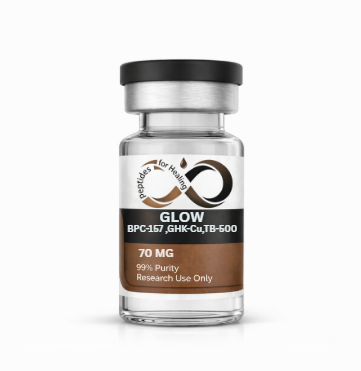
GHK-Cu – The Collagen Promoter:
A copper-binding peptide that stimulates collagen production, skin regeneration, wound healing, and joint tissue repair. Mild wounds may show improvement within 2–4 weeks, while deeper tissue recovery takes longer.
Combination Therapy:
Many protocols combine BPC-157, TB-500, and GHK-Cu to enhance local tissue repair, reduce scarring, stimulate collagen, and improve circulation, accelerating recovery beyond single peptide use.
Conditions That Respond Well to Peptides
Peptide therapy can support recovery in a variety of conditions:
Musculoskeletal Injuries: Tendinopathy, ligament sprains, rotator cuff injuries, Achilles tendonitis, and tennis elbow.
Osteoarthritis & Degenerative Joint Disease: Stimulates cartilage repair, offering an alternative to repeated steroid injections.
Neuropathic Pain: Supports nerve repair without opioid risks.
Chronic Spine Pain: May improve disc degeneration and facet joint inflammation.
Post-Surgical Recovery: Reduces downtime, enhances incision healing, and restores function.
How Peptides Accelerate Recovery
Athletes and active individuals increasingly use peptides to shorten recovery periods. These peptides can:
Whether for tendon, joint, muscle, or bone healing, peptides enhance the body’s natural repair systems rather than merely masking pain.
Comparing Peptide Therapy to Other Treatments
Versus PRP Therapy: PRP delivers growth factors directly, while peptides act as signaling amplifiers. Combining both may improve cellular responsiveness.
Versus Traditional Pain Management:
Unlike opioids, there is no dependency, respiratory risk, or tolerance buildup.
Unlike corticosteroids, do not degrade cartilage, suppress healing, and promote long-term repair.
Peptides focus on structural restoration, shifting from symptom control to long-term recovery.
Safety and Treatment Timeline
Peptide therapy is generally well tolerated under medical supervision. Mild effects may include injection site irritation, headache, or temporary fatigue.
Typical Timeline:
Weeks 1–2: Reduced inflammation, improved mobility
Weeks 2–6: Increased collagen production, active tissue repair
Weeks 6–12: Structural strengthening, improved range of motion
3–6 Months: Sustained healing, long-term pain reduction
Results vary depending on injury severity and overall health.
Is Peptide Therapy Right for You?
Peptides are ideal for individuals who:
Have chronic joint or tendon pain
Want alternatives to opioids
Are recovering from surgery
Experience slow healing
Seek regenerative solutions instead of temporary relief
Always consult a healthcare professional for a full evaluation before beginning therapy.