Healing peptides are being researched for their potential role in supporting recovery, tissue repair, joint function, tendon health, wound healing, and regenerative wellness. From BPC-157 and TB-500 to collagen peptides and GHK-Cu, interest in peptide-based recovery support has grown rapidly among athletes, longevity enthusiasts, and regenerative medicine researchers.
Peptides are short chains of amino acids that act as signaling molecules within the body. Researchers are investigating how specific peptides may influence recovery pathways involved in connective tissue repair, collagen production, inflammation modulation, and cellular communication. While many healing peptides remain under investigation and are not FDA-approved for therapeutic use, they continue to generate attention in the fields of sports recovery, rehabilitation, and regenerative medicine.
Healing peptides are bioactive compounds made from short chains of amino acids that help regulate communication between cells and tissues. In research settings, certain peptides are being studied for their potential ability to support recovery processes related to muscles, tendons, ligaments, joints, skin, and connective tissue.
Unlike protein supplements that primarily provide nutritional building blocks, healing peptides are believed to work through cellular signaling pathways. Researchers are investigating whether specific peptides may help influence collagen synthesis, tissue remodeling, blood vessel formation, inflammatory responses, and recovery mechanisms throughout the body.
Interest in regenerative peptides has expanded significantly in recent years due to growing discussions around injury recovery, athletic performance support, post-surgical rehabilitation, and longevity-focused wellness strategies. Commonly discussed healing peptides include BPC-157, TB-500, GHK-Cu, collagen peptides, and various growth hormone-related peptides.
Although many peptides remain experimental and require additional human research, they continue to be explored within regenerative medicine, sports science, and recovery-focused communities.
Researchers believe healing peptides may support recovery by interacting with signaling pathways involved in tissue repair, inflammation regulation, collagen production, and cellular communication. Different peptides are associated with different biological mechanisms depending on their structure and intended research focus.
Some peptides are being investigated for their potential influence on collagen synthesis, which plays an important role in tendons, ligaments, skin, cartilage, and connective tissue integrity. Others are studied for their potential role in angiogenesis, the process through which new blood vessels form to support oxygen delivery and tissue recovery.
Certain recovery peptides are also being explored for their relationship to inflammatory signaling pathways. Researchers are interested in whether these compounds may help support balanced inflammatory responses during periods of physical stress, rehabilitation, or tissue remodeling.
Peptides such as BPC-157 and TB-500 are commonly discussed in regenerative medicine communities due to their association with tissue repair and mobility support. Meanwhile, collagen peptides and copper peptides are frequently researched for skin integrity, connective tissue health, and wound recovery applications.
Because peptide research is still evolving, much of the current evidence comes from animal studies, laboratory investigations, and limited human data. Additional clinical research is needed to fully understand the safety, efficacy, and long-term effects of many healing peptides.

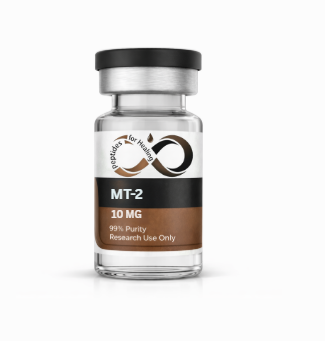
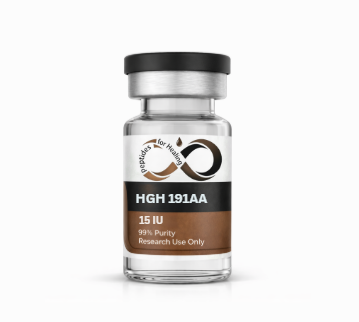
Every peptide is accompanied by a third-party COA, ensuring it is high-grade, contaminant-free, and accurately formulated.
Our commitment to purity means every batch meets strict laboratory standards, giving you confidence in the integrity and effectiveness of your peptides.
Below are some of the most frequently discussed peptides for healing and recovery support.
| Peptide | Research Focus | Common Interest |
|---|---|---|
| BPC-157 | Tendons, ligaments, connective tissue | Injury recovery support |
| TB-500 | Tissue repair and mobility | Recovery optimization |
| GHK-Cu | Skin and wound healing | Regenerative support |
| Collagen Peptides | Joint and connective tissue health | Structural support |
| CJC-1295 | Growth hormone signaling | Recovery and wellness support |
A variety of peptides are currently being researched for their potential role in tissue recovery, connective tissue support, wound healing, and regenerative wellness. Different peptides are associated with different recovery pathways, making them popular topics in discussions related to sports recovery, rehabilitation, and longevity-focused health optimization.
The growing popularity of healing peptides has led to increased interest in regenerative medicine, rehabilitation science, sports recovery, and wellness optimization.
Different peptides are associated with different recovery pathways. Some are primarily researched for connective tissue support and tendon recovery, while others are discussed for skin repair, mobility support, wound healing, or recovery optimization.
Because many peptide compounds remain investigational, individuals interested in peptide therapy should seek qualified healthcare guidance and rely on evidence-based medical information whenever possible.


See the difference targeted peptides can make. With high-grade peptides for healing, tissue repair, joint support, and muscle recovery improve over time, helping restore mobility, reduce discomfort, and support long-term regenerative results.


Tendons and ligaments are some of the slowest tissues in the body to recover due to their limited blood supply and gradual remodeling process. Because of this, peptides linked to connective tissue support have gained significant attention in sports recovery and regenerative medicine research.
BPC-157 is one of the most commonly discussed peptides for tendon recovery. Researchers are studying its potential role in connective tissue signaling, collagen organization, and tissue repair processes. TB-500 is also frequently explored for its possible connection to mobility support and soft tissue recovery.
Collagen peptides are widely used to support connective tissues since collagen is a key structural component of tendons and ligaments. Some studies suggest collagen supplementation, when paired with proper nutrition and rehabilitation, may help support tendon strength and integrity.
While peptide research continues to develop, many compounds remain experimental and require further clinical investigation before definitive conclusions can be made.
Joint recovery and connective tissue support are among the most common reasons people explore joint healing peptides. Athletes, active individuals, and aging adults often research peptides that may support mobility, cartilage health, and overall joint function.
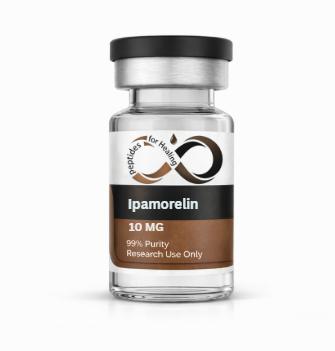
Researchers are studying certain peptides for their potential relationship to inflammatory pathways, collagen production, and tissue remodeling processes that may influence joint recovery. Collagen peptides are commonly used for connective tissue support, while compounds such as BPC-157 and TB-500 are frequently discussed in regenerative medicine and recovery-focused communities.
Ongoing research continues to examine how peptide signaling may affect cartilage health, mobility, and tissue resilience. However, additional human studies are still needed to better understand the long-term safety and effectiveness of many peptide compounds.
Interest in peptides for post-surgical recovery and injury rehabilitation has increased significantly in recent years. Researchers are investigating whether certain peptides may support tissue repair processes involved in wound healing, connective tissue remodeling, and rehabilitation following physical stress or injury.
Compounds such as BPC-157, TB-500, and collagen peptides are commonly discussed in recovery-focused communities because of their association with tissue repair and regenerative wellness. Some individuals also explore peptide therapy as part of a broader rehabilitation strategy under professional supervision.
Because recovery timelines vary depending on the type and severity of an injury or surgical procedure, medical guidance and evidence-based rehabilitation remain essential parts of the recovery process.
Inspire and let yourself be inspired, from one unique fashion to another.
Get 15% off for your first order
Use above code to get 15% OFF for your first order when checkout
You may check out all the available products and buy some in the shop
Return to shopAddress: 2300 California St Suite 101,
San Francisco, CA 94115,
Email: peptidesforhealing@gmail.com