
Description
Buy Semax Peptide 5mg × 10 Vials Online | Research Nootropic Peptide
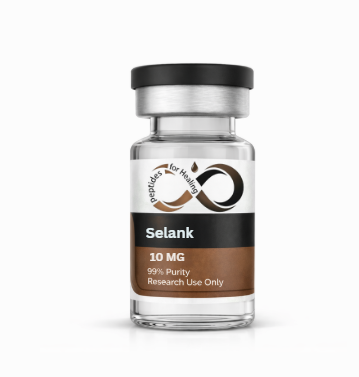
The Semax 5mg peptide is a synthetic analog of the adrenocorticotropic hormone (ACTH 4–7) fragment, developed as a neuroactive research compound. It has been widely investigated in experimental neuroscience for its potential influence on cognition, neuroprotection, neurotransmitter regulation, and stress adaptation mechanisms.
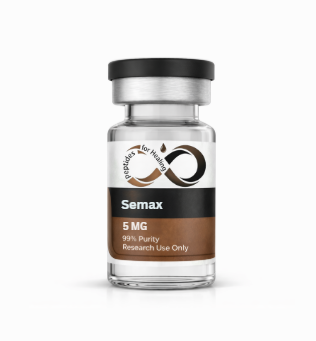
At Peptides For Healing, Semax is supplied as a high-purity lyophilized research peptide intended strictly for laboratory and scientific use only.
👉 Product page: Semax 5mg × 10 Vials
👉 Research peptide catalog: Research Peptides Shop
What is Semax Peptide?
Semax is a synthetic polypeptide derived from a fragment of the adrenocorticotropic hormone (ACTH 4–7). Unlike ACTH itself, Semax does not exhibit classical endocrine activity but is believed to act primarily within the central nervous system.
The peptide sequence (Met-Glu-His-Phe) is extended with a Pro-Gly-Pro (PGP) motif at the C-terminal end. This modification is theorized to enhance stability and lipophilicity, potentially improving its ability to cross the blood-brain barrier (BBB).
Researchers suggest that this structural modification may:
- Increase resistance to enzymatic degradation
- Improve brain tissue penetration
- Extend biological half-life in experimental systems
Acetylation further contributes to stability by reducing susceptibility to enzymatic breakdown.
Mechanism of Action (Research-Based Interpretation)
Semax is primarily studied for its potential interaction with neurochemical and enzymatic systems involved in brain signaling.
1. Neurotransmitter Modulation
Research suggests Semax may influence the following:
- Dopamine release pathways
- Serotonin metabolism (via 5-HIAA elevation)
- Enkephalin degradation inhibition
These interactions indicate possible modulation of mood, cognition, and stress-related neural circuits.
2. Neurotrophic Factor Expression
Studies report potential increases in:
- Brain-Derived Neurotrophic Factor (BDNF)
- Nerve growth-related signaling pathways
BDNF is widely associated with synaptic plasticity and neuronal resilience.
3. Enzyme Regulation
Semax has been investigated for possible inhibition of peptide-degrading enzymes, which may prolong the activity of endogenous neuropeptides.
Semax Peptide Benefits (Research Observations)
In preclinical and experimental studies, Semax has been associated with:
Cognitive Research
- Enhanced learning behavior in animal models
- Improved memory retention performance
- Increased attention span under stress conditions
Neuroprotection Studies
- Potential reduction in ischemic brain injury markers
- Improved neurological recovery after stroke models
- Protection against hypoxic neuronal damage
Stress and Behavior Models
- Reduced anxiety-like behavior in neonatal stress models
- Stabilization of stress-response pathways
- Long-term behavioral normalization in rodent studies
Cardiovascular Research
- Potential protection against myocardial remodeling
- Improved vascular response in ischemia models
Scientific Studies on Semax
1. Serotonin and Neurochemical Activity
One study demonstrated that Semax increased levels of 5-HIAA (a serotonin metabolite) by up to 180% in murine models within hours of administration, suggesting enhanced serotonergic activity.
2. Neonatal Stress Adaptation
In rodent models exposed to early-life stressors, Semax administration was associated with:
- Reduced anxiety-like behavior
- Improved learning outcomes
- Stabilization of monoamine levels
3. Ischemic Stroke Models
Clinical research involving ischemic stroke patients suggested improved neurological recovery rates in Semax-treated groups compared to controls.
4. Cardiac Protection Studies
Experimental myocardial infarction models indicated:
- Reduced ventricular hypertrophy
- Improved arterial pressure regulation
- Possible cardiomyocyte protective effects
Chemical Information
- Molecular Formula: C39H54N10O10S
- Molecular Weight: 854.99 g/mol
- Other Names: ACTH (4–7)PGP, HY-P1146
How Semax is Used in Research (No Dosage Claims)
There is no approved human dosage. In laboratory settings, administration methods vary depending on experimental design.
Common research approaches include:
- Intranasal delivery in neurobehavioral models
- Controlled microdose experimental protocols
- Time-dependent administration in cognitive studies
All use is strictly limited to non-human research models.
Where to Buy Semax Peptide
uy Online (USA & International Research Supply)
👉 Main shop: https://peptidesforhealing.com/shop/
👉 Product category: https://peptidesforhealing.com/product-category/semax/
👉 Direct product page: https://peptidesforhealing.com/peptides/semax-5mg-x10-vials/
Additional reference categories (related research compounds):
- https://peptidesforhealing.com/product-category/all-peptides/
- https://peptidesforhealing.com/product-category/nootropics/
- https://peptidesforhealing.com/product-category/peptide-calculator-mg-weight-loss/
Research Highlights
Neurochemical Activity
Preclinical studies indicate Semax may influence monoamine systems, particularly dopamine and serotonin-related pathways. Observations include increased serotonin metabolite 5-HIAA levels and altered neurotransmitter turnover under experimental conditions.
Cognitive and Behavioral Models
In controlled animal models, Semax has been associated with:
- Improved learning behavior in stress-conditioned subjects
- Reduced anxiety-like responses in neonatal deprivation models
- Enhanced adaptation to SSRI-induced neurochemical changes
Neuroprotection and Vascular Studies
Experimental ischemic models suggest Semax may:
- Support neurological recovery markers after ischemic injury
- Influence vascular remodeling following myocardial stress
- Modulate cardiomyocyte structural adaptation in post-injury models
Storage Instructions
- Store at 2–8°C (refrigerated)
- Protect from light exposure
- Avoid repeated freeze–thaw cycles
- Use sterile technique after reconstitution
- Maintain sealed vial integrity when not in use
Potential Side Effects (Research Context)
In preclinical and experimental observations, reported responses include the following:
- Mild neurological stimulation
- Headache-like responses in sensitive models
- Temporary behavioral variability
- Dose-dependent neurotransmitter fluctuations
These effects are documented in research contexts only and are not clinical safety outcomes.
Important Disclaimer
The Semax peptide is strictly intended for research and laboratory use only. It is not approved for human consumption, medical treatment, or diagnostic use. Any handling, storage, or application must comply with applicable local regulations governing research chemicals.
References
- Kolomin T. et al. A New Generation of Drugs: Synthetic Peptides Based on Natural Regulatory Peptides. Neuroscience & Medicine, 2013.
https://doi.org/10.4236/nm.2013.44035 - Dornbush RL, Nikolovski O. ACTH 4-10 and short-term memory. Pharmacology, Biochemistry, and Behavior, 1976.
https://pubmed.ncbi.nlm.nih.gov/189333/ - Ashmarin IP et al. Semax and its effects on neurochemical systems. Neuroscience research literature (various studies).
- Experimental stroke and neuroprotection studies in Semax-treated models (Russian Academy of Sciences publications).