
Your cart is empty
You may check out all the available products and buy some in the shop
Return to shopJoint pain and degeneration are among the most common issues affecting mobility, especially in athletes, aging populations, and individuals recovering from injury. Peptides for joint healing are increasingly studied in regenerative science due to their potential role in cartilage repair, inflammation regulation, and connective tissue support.
Interest in peptides for joint healing has grown as researchers explore how biological signaling molecules may influence tissue regeneration in cartilage, ligaments, and synovial structures. Compounds such as BPC-157, TB-500 (Thymosin Beta-4), and GHK-Cu are frequently discussed in relation to joint recovery pathways.
This article explains how joints heal, why cartilage damage is difficult to reverse, and how peptides for joint healing are being studied in modern regenerative research.
Joints are complex structures where two or more bones meet, allowing movement and flexibility. They are composed of cartilage, synovial fluid, ligaments, and surrounding connective tissues.
One of the key reasons peptides for joint healing are widely researched is because cartilage has extremely limited blood supply. Unlike muscle or skin, cartilage cannot efficiently repair itself once damaged.
Joint degeneration often occurs gradually due to wear and tear, inflammation, injury, or aging. Over time, cartilage becomes thinner, leading to stiffness, pain, and reduced mobility.
The healing process in joints is slow because cartilage cells (chondrocytes) have limited regenerative capacity. This is why researchers are exploring biological compounds that may support joint tissue repair mechanisms.
Peptides for joint healing are short amino acid chains that act as signaling molecules within the body. They do not directly rebuild cartilage but may influence how cells respond to injury and inflammation.
Researchers studying peptides for joint healing focus on several key mechanisms:
Inflammation control is one of the most important areas. Chronic inflammation contributes to cartilage breakdown and joint pain.
Collagen synthesis is also critical because cartilage and surrounding ligaments depend on collagen structure for strength and stability.
Angiogenesis, or the formation of new blood vessels, is studied for its potential role in supporting tissue repair in surrounding joint structures.
Extracellular matrix regulation is another focus, as it relates to how cartilage and connective tissue maintain structure and function.
Scientific reference on cartilage and joint biology:
https://www.ncbi.nlm.nih.gov/pmc/articles/PMC6540878/
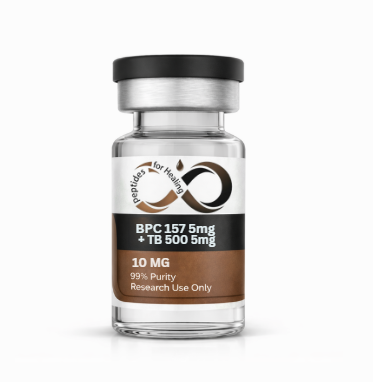
BPC-157 is one of the most widely discussed compounds in peptides for joint healing research. It has been studied in preclinical models for its potential role in soft tissue and connective tissue repair.
Research interest includes inflammation regulation, tendon and ligament repair, and collagen support mechanisms.
BPC-157 https://peptidesforhealing.com/peptides/bpc-157-5mg-x-10-vials/ is often referenced in regenerative discussions due to its possible role in supporting recovery pathways in musculoskeletal injuries.
However, human clinical evidence is still limited, and most data comes from animal or laboratory studies.
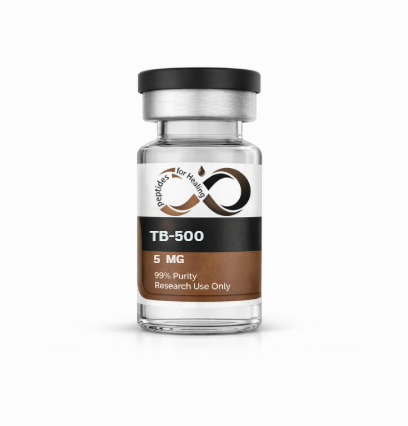
TB-500 (Thymosin Beta-4), https://peptidesforhealing.com/peptides/tb500-thymosin-beta-4-acetate-10mg-x-10-vials/, is another peptide frequently associated with peptides for joint healing research.
It is involved in actin regulation, which plays a key role in cell movement and tissue repair.
In joint studies, TB-500 is linked to:
These functions are important because joint recovery depends on coordinated repair of cartilage, ligaments, and surrounding connective tissue.
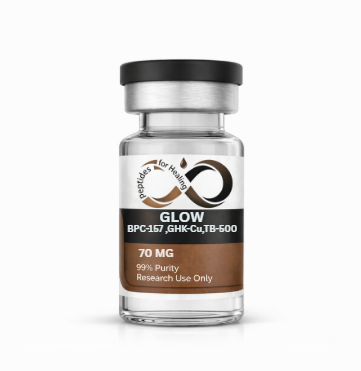
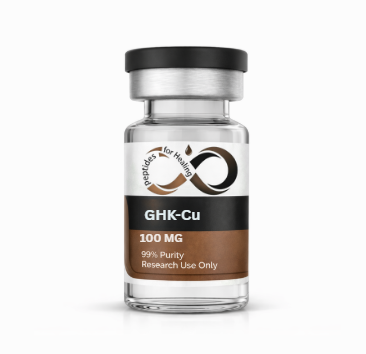
GHK-Cu https://peptidesforhealing.com/peptides/ghk-cu-50mg-x-10-vials/ is another compound studied in regenerative science and is sometimes included in discussions around peptides for joint healing.
It is associated with collagen production, tissue remodeling, and wound healing processes.
Research suggests it may support extracellular matrix repair, which is essential for maintaining healthy connective tissue structures in joints.
Cartilage is one of the most difficult tissues to heal due to its avascular nature. This means it has no direct blood supply, making nutrient delivery and repair extremely limited.
This is a key reason peptides for joint healing are being studied—researchers are looking for ways to support biological signaling in environments where natural repair is inefficient.
Once cartilage is significantly damaged, the body often replaces it with fibrous tissue rather than true hyaline cartilage, which can reduce joint function over time.
Although peptides for joint healing are widely discussed in scientific and wellness communities, research is still in early stages.
Most studies are based on animal models or laboratory research rather than large-scale human clinical trials. This limits certainty regarding long-term effectiveness and safety.
Additionally, outcomes may vary depending on injury type, biological conditions, and individual response.
Because of this, peptides should be considered experimental compounds within regenerative science rather than established medical treatments.
Even with growing interest in peptides for joint healing, recovery still depends on foundational biological and mechanical principles.
Low-impact movement and progressive loading help maintain joint function and stimulate tissue adaptation.
Physical therapy is essential for improving mobility, stability, and range of motion.
Other key factors include:
Without these fundamentals, joint recovery is often incomplete.