
Your cart is empty
You may check out all the available products and buy some in the shop
Return to shopBone injuries such as fractures, stress injuries, and weakened bone density require a complex biological healing process involving inflammation control, collagen matrix formation, and mineral deposition. Peptides for bone healing are increasingly studied in regenerative medicine because bone repair depends on coordinated cellular signaling, growth factors, and structural remodeling.
Interest in peptides for bone healing has grown in research exploring how biological signaling molecules may support fracture repair, bone regeneration, and skeletal recovery. Compounds such as BPC-157, TB-500 (Thymosin Beta-4), and IGF-1 are frequently discussed in relation to bone remodeling and tissue regeneration pathways.
This page explains how bone healing works and how peptides for bone healing are being studied in modern regenerative science.
Bone is a living tissue that constantly remodels itself through a balance of breakdown and rebuilding.
When a fracture or injury occurs, the body activates a structured repair process.
The first stage is inflammation, where blood clotting and immune activity begin stabilizing the injury site.
The second stage is soft callus formation, where collagen and cartilage-like tissue bridge the fracture.
The third stage is hard callus formation, where mineralized bone begins replacing the soft tissue.
The final stage is remodeling, where bone structure is strengthened and reshaped over time.
One reason peptides for bone healing are being studied is because bone repair depends heavily on signaling molecules that regulate growth and regeneration.
Healing speed depends on:
Scientific reference on bone regeneration:
https://www.ncbi.nlm.nih.gov/pmc/articles/PMC3920434/
Peptides for bone healing are short amino acid chains that act as signaling molecules in the body. They do not directly build bone but may influence the biological processes that regulate bone repair.
Research into peptides for bone healing focuses on several key mechanisms:
Growth factor signaling is important because bone regeneration relies on controlled cellular activation.
Collagen matrix formation is essential for providing structure before mineralization occurs.
Angiogenesis supports blood supply to healing bone tissue.
Osteoblast activity (bone-forming cells) is a key focus in regenerative research.
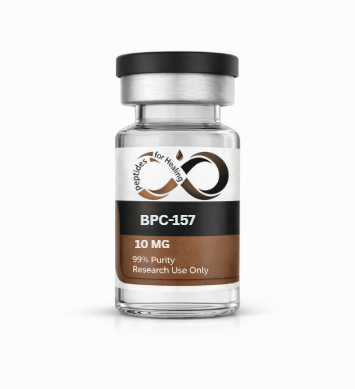
BPC-157 https://peptidesforhealing.com/peptides/bpc-157-5mg-x-10-vials/ is widely studied in relation to peptides for bone healing due to its potential role in connective tissue regeneration.
Preclinical research suggests it may support:
Although promising in animal studies, human clinical evidence remains limited.
Related: https://peptidesforhealing.com/peptides-for-injury-healing/
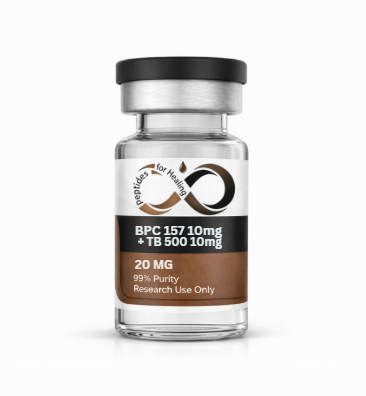
TB-500 (Thymosin Beta-4), https://peptidesforhealing.com/peptides/tb500-thymosin-beta-4-acetate-10mg-x-10-vials/, is another compound often discussed in peptides for bone healing research.
It is associated with actin regulation, which supports:
These functions contribute indirectly to bone regeneration by supporting surrounding tissue repair.
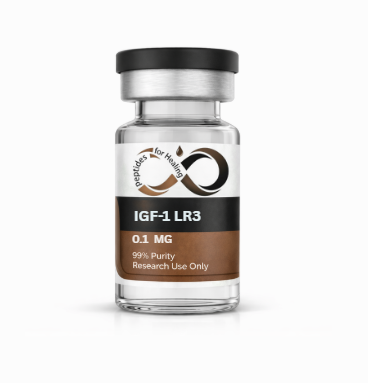
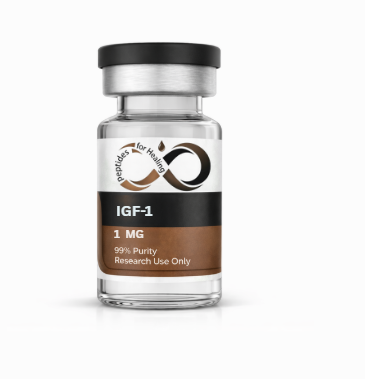
IGF-1 (Insulin-like Growth Factor-1) https://peptidesforhealing.com/peptides/igf-1-1mg-x-10-vials/ is strongly associated with growth and regeneration pathways.
In research related to peptides for bone healing, IGF-1 is studied for its role in:
IGF-1 is one of the most important growth-related molecules in skeletal repair research.
Bone healing is not just repair—it is a full structural rebuilding process.
The balance between osteoclasts (bone breakdown cells) and osteoblasts (bone-building cells) determines final bone strength.
One reason peptides for bone healing are researched is their potential role in influencing this remodeling balance.
Proper remodeling ensures:
Even with growing interest in peptides for bone healing, recovery depends heavily on nutrition and lifestyle factors.
Key nutrients for bone repair include the following:
Without these building blocks, bone regeneration is significantly slowed regardless of biological signaling support.
Although peptides for bone healing are widely discussed in regenerative science, most evidence is still in early research stages.
Many findings are based on laboratory or animal studies rather than large human clinical trials.
This means safety, effectiveness, dosage, and long-term outcomes are not fully established.
Peptides remain experimental compounds within regenerative medicine rather than approved bone healing treatments.
Bone recovery depends on a combination of biological processes and mechanical support.
Important factors include:
Without these foundations, healing may be delayed or incomplete.
Peptides for bone healing are amino acid chains studied for their potential role in supporting bone regeneration, fracture repair, and cellular signaling.
IGF-1, BPC-157, and TB-500 (Thymosin Beta-4) are commonly discussed in bone regeneration research.
Some peptides are being studied for their potential role in bone regeneration, but human clinical evidence is still limited.
Most peptides used in regenerative research are not approved medical treatments for bone repair.
Some growth-related peptides like IGF-1 are studied for their role in bone metabolism, but clinical confirmation is limited.
Explore additional guides covering peptide-based recovery and regenerative science.
Best Peptides for Healing
https://peptidesforhealing.com/best-peptides-for-healing/
Peptides for Injury Healing
https://peptidesforhealing.com/peptides-for-injury-healing/
Peptides for Joint Healing
https://peptidesforhealing.com/peptides-for-joint-healing/
Peptides for Muscle Healing
https://peptidesforhealing.com/peptides-for-muscle-healing/
Peptides for Tendon Healing
https://peptidesforhealing.com/peptides-for-tendon-healing/
Peptides for Wound Healing
https://peptidesforhealing.com/peptides-for-wound-healing/