
Your cart is empty
You may check out all the available products and buy some in the shop
Return to shopPeptide injections for healing are widely discussed in regenerative science and recovery research due to their potential role in supporting tissue repair, inflammation regulation, and cellular signaling. These injectable compounds are studied for how they may influence biological pathways involved in recovery from injury, surgery, and physical stress.
Interest in peptide injections for healing has grown in sports medicine and regenerative biology as researchers explore compounds that may support faster recovery in muscles, tendons, ligaments, joints, bone, and skin tissue. Commonly studied peptides include BPC-157, TB-500 (Thymosin Beta-4), GHK-Cu, and growth-related peptides such as IGF-1.
This page explains how peptide injections for healing are studied and how they relate to modern recovery science.
Peptide injections for healing refer to injectable forms of amino acid chains that act as signaling molecules in the body. These peptides are studied for their potential to influence cellular repair mechanisms and tissue regeneration processes.
Unlike oral supplements, injectable peptides are researched for their ability to interact more directly with systemic biological pathways.
In regenerative science, peptide injections for healing are associated with:
After injury or physical stress, the body activates a structured healing process involving inflammation, tissue formation, and remodeling.
Peptide injections for healing are studied because they may interact with signaling systems that regulate these phases.
Inflammation control is important because excessive inflammation can slow recovery and damage healthy tissue.
Cellular signaling pathways help coordinate repair activity across different tissues.
Collagen production is essential for rebuilding structural integrity in muscles, tendons, ligaments, and skin.
Blood vessel formation supports oxygen and nutrient delivery to healing tissue.
Several injectable peptides are commonly referenced in regenerative science due to their role in recovery pathways.
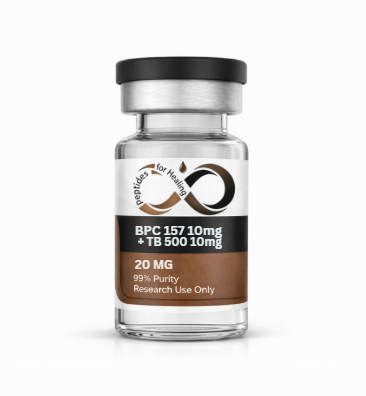
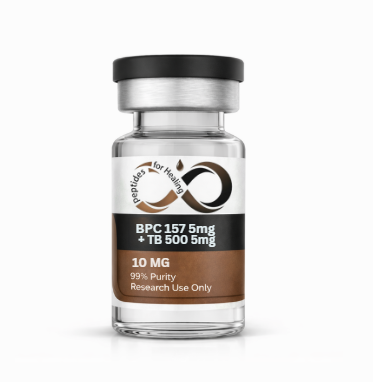
BPC-157 https://peptidesforhealing.com/peptides/bpc-157-5mg-x-10-vials/ is widely studied for its potential role in soft tissue repair and inflammation regulation.
TB-500 (Thymosin Beta-4) https://peptidesforhealing.com/peptides/tb500-thymosin-beta-4-acetate-10mg-x-10-vials/ is associated with cellular migration and tissue regeneration processes.
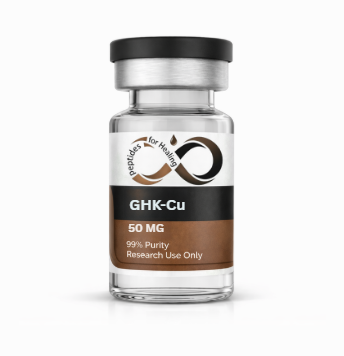
GHK-Cu https://peptidesforhealing.com/peptides/ghk-cu-50mg-x-10-vials/ is studied for collagen remodeling and connective tissue repair.
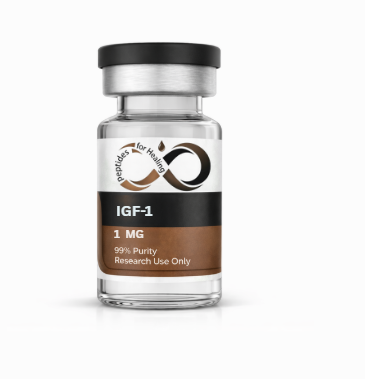
IGF-1 https://peptidesforhealing.com/peptides/igf-1-1mg-x-10-vials/ is linked to growth signaling and cellular regeneration.
These compounds are frequently discussed in relation to peptide injections for healing research.
Peptide injections for healing are often studied in relation to injuries involving soft tissues such as muscles, tendons, and ligaments.
Muscle recovery involves protein synthesis and cellular repair mechanisms.
Tendon and ligament healing depends on collagen alignment and structural remodeling.
Skin and wound recovery involve epithelial regeneration and tissue rebuilding.
Bone recovery involves mineralization and structural reinforcement.
Related:
After surgery, the body must repair damaged tissue, control inflammation, and rebuild structural integrity.
Peptide injections for healing are studied for their potential role in supporting these biological processes by influencing cellular repair signaling pathways.
Recovery after surgery typically involves:
Each stage relies on coordinated biological signaling and nutrient availability.
Related:
https://peptidesforhealing.com/peptides-for-healing-after-surgery/
Collagen is essential for the structural integrity of connective tissues throughout the body.
Peptide injections for healing are studied in relation to collagen synthesis because proper collagen formation is critical for recovery quality and tissue strength.
Weak or disorganized collagen can increase the risk of reinjury or incomplete healing.
Although peptide injections for healing are widely discussed in scientific and recovery communities, most evidence is still in early research stages.
Many findings come from laboratory or animal studies rather than large human clinical trials.
This means safety, dosage, effectiveness, and long-term outcomes are not fully established.
Peptides remain experimental compounds within regenerative science rather than approved medical treatments.
Even with interest in peptide injections for healing, recovery still depends on fundamental biological and lifestyle factors.
The body requires:
Without these foundations, healing is often incomplete.
They are injectable amino acid chains studied for their potential role in tissue repair, inflammation regulation, and cellular recovery processes.
Commonly studied peptides include BPC-157, TB-500, GHK-Cu, and IGF-1.
Some peptides are being studied for their role in tissue regeneration, but human clinical evidence is still limited.
Most peptides used in regenerative research are not approved medical treatments for healing.
Research suggests they may influence biological pathways involved in repair and regeneration, but evidence is still emerging.
Explore full recovery and healing categories:
Image 1
ALT: peptide injections for healing tissue repair and regenerative science concept
Image 2
ALT: bpc-157 tb-500 ghk-cu igf-1 injectable peptides for recovery process
Image 3
ALT: inflammation and tissue regeneration stages after injury and injection therapy