
Your cart is empty
You may check out all the available products and buy some in the shop
Return to shopDigestive health plays a central role in overall wellness, immune function, and inflammation control. Peptides for gut healing are increasingly studied in regenerative and gastrointestinal research due to their potential role in supporting intestinal lining repair, reducing inflammation, and improving gut barrier function.
Interest in peptides for the gut has grown as researchers explore how signaling molecules may influence the gut lining, microbiome balance, and tissue regeneration in the digestive tract. Compounds such as BPC-157, KPV, and LL-37 are often discussed in relation to intestinal repair pathways.
This article explains how gut healing works and how peptides for gut healing are being studied in modern regenerative science.
The gut is responsible for digestion, nutrient absorption, immune regulation, and protection against harmful pathogens. The intestinal lining acts as a barrier that controls what enters the bloodstream.
One of the key reasons peptides for healing are being researched is because damage to the gut lining can lead to increased intestinal permeability, often referred to as “leaky gut.”
When the gut barrier is compromised, it may allow toxins, undigested food particles, and bacteria to enter the bloodstream, potentially triggering inflammation and immune responses.
Gut healing involves repairing the intestinal lining, reducing inflammation, and restoring normal barrier function.
Peptides for gut healing are short chains of amino acids that act as biological signaling molecules. They may influence how cells in the digestive tract respond to inflammation, injury, and microbial imbalance.
Researchers studying peptides for gut healing focus on several key mechanisms:
Inflammation regulation is one of the most important areas because chronic gut inflammation is linked to many digestive disorders.
Mucosal repair is another key focus, referring to the restoration of the protective lining of the intestines.
Gut barrier integrity is also studied, as strengthening tight junctions between intestinal cells may help reduce permeability.
Microbial balance is another area of interest, as gut bacteria play a critical role in digestion and immune function.
Scientific reference on intestinal barrier function:
https://www.ncbi.nlm.nih.gov/pmc/articles/PMC3291445/
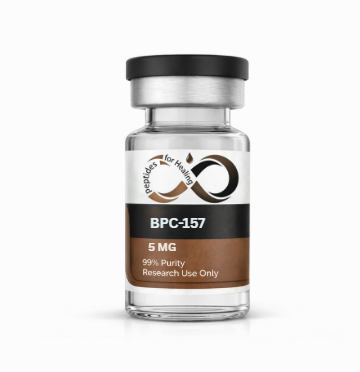
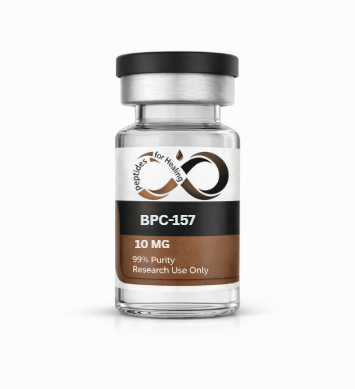
BPC-157 is one of the most widely studied compounds in peptides for gut healing research.
It has been investigated in preclinical studies for its potential role in protecting and repairing the gastrointestinal lining.
Research interest includes inflammation modulation, mucosal healing, and tissue regeneration in the digestive tract.
Some studies suggest it may support recovery pathways in the stomach and intestines, although most evidence comes from animal or laboratory research.
Human clinical data remains limited, and further research is needed to confirm its effectiveness.
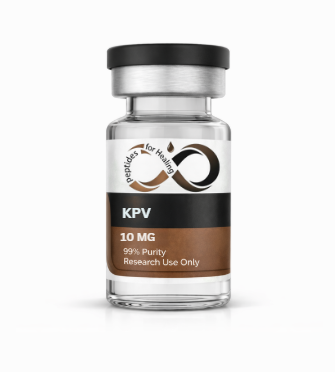
KPV (commonly discussed in peptide research) is associated with anti-inflammatory activity and is often mentioned in relation to peptides for gut healing.
It is studied for its potential role in reducing inflammatory signaling in the intestinal tract.
Inflammation control is critical for gut recovery because chronic inflammation can damage the intestinal lining and disrupt normal digestive function.
While research is still developing, KPV is considered an interesting compound in gastrointestinal peptide studies.
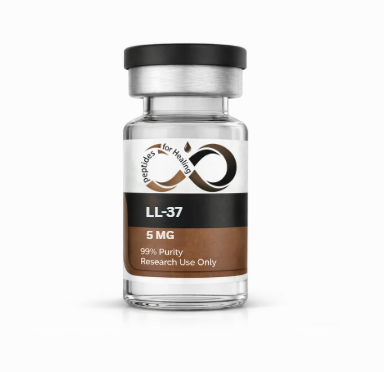
LL-37 https://peptidesforhealing.com/shop/ is an antimicrobial peptide involved in immune defense and is sometimes discussed in gut health research.
In relation to peptides for gut healing, LL-37 is studied for its potential role in microbial balance and immune response regulation.
Because the gut contains a large portion of the immune system, maintaining microbial balance is essential for digestive health.
The intestinal barrier is made up of tightly connected epithelial cells that regulate what passes into the bloodstream.
When damaged, this barrier can become more permeable, leading to inflammation and digestive discomfort.
One reason peptides for gut healing are being researched is their potential role in supporting tight junction proteins that maintain barrier integrity.
Proper gut healing requires:
Although peptides for gut healing are widely discussed in scientific and wellness communities, most research is still in early stages.
Many findings come from animal studies or laboratory models rather than large human clinical trials.
This limits certainty regarding effectiveness, dosage, and long-term safety.
Because of this, peptides should be considered experimental compounds within regenerative science rather than approved medical treatments.
Even with growing interest in peptides for gut healing, recovery still depends on foundational lifestyle and biological factors.
Diet plays a major role, especially reducing processed foods, alcohol, and inflammatory triggers.
Fiber intake supports microbiome balance and digestive function.
Other important factors include:
Without these fundamentals, gut healing is often incomplete regardless of experimental approaches.
Peptides for gut healing are amino acid chains studied for their potential role in repairing the intestinal lining and supporting digestive health.
Some peptides are being studied for their role in intestinal repair and inflammation control, but human clinical evidence is still limited.
BPC-157 is the most commonly researched compound in gut repair studies, followed by peptides like KPV and LL-37.
Research suggests some peptides may support gut barrier function, but more clinical studies are needed to confirm effectiveness.
Most peptides used in research are still experimental and have not been fully approved for medical use in humans.