
Your cart is empty
You may check out all the available products and buy some in the shop
Return to shopPeptides for healing after surgery are widely discussed in regenerative science due to their potential role in supporting tissue repair, inflammation control, and cellular recovery processes following surgical procedures. Surgery places significant stress on the body, requiring coordinated healing across multiple biological systems including skin, muscle, connective tissue, and blood vessels.
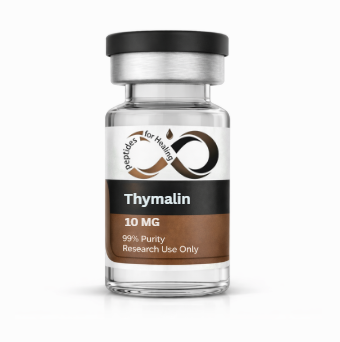
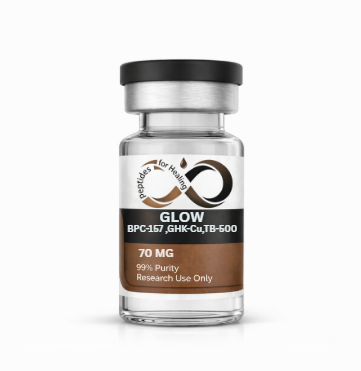
Interest in peptides for healing after surgery has increased in recovery research as scientists study how signaling molecules may influence post-operative healing speed, scar formation, and tissue regeneration quality. Commonly researched peptides include BPC-157, TB-500 (Thymosin Beta-4), and GHK-Cu, which are frequently referenced in regenerative biology.
This page explains how peptides for healing after surgery are studied and how they relate to modern recovery science.
Several peptides are commonly referenced in regenerative science related to surgical healing.
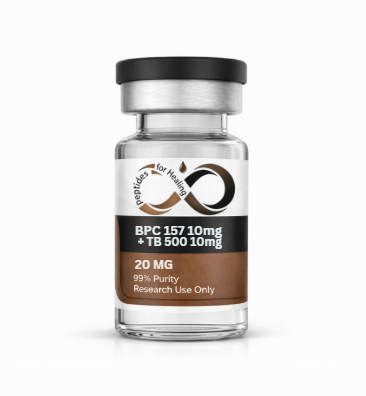
BPC-157 https://peptidesforhealing.com/peptides/bpc-157-5mg-x-10-vials/ is widely studied for its potential role in soft tissue repair, inflammation regulation, and wound healing support.
TB-500 (Thymosin Beta-4) https://peptidesforhealing.com/peptides/tb500-thymosin-beta-4-acetate-10mg-x-10-vials/ is associated with cellular migration and tissue regeneration processes.
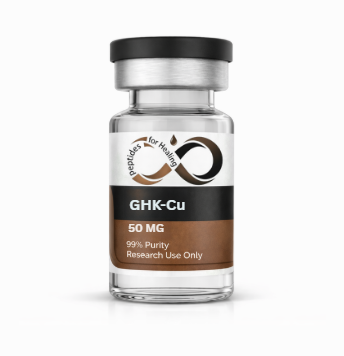
GHK-Cu https://peptidesforhealing.com/peptides/ghk-cu-50mg-x-10-vials/ is studied for collagen remodeling and skin repair mechanisms.
These compounds are frequently discussed in relation to peptides for healing after surgery research.
Post-surgical healing follows a structured biological process designed to restore damaged tissue and prevent infection.
The first stage is inflammation, where the body responds to surgical trauma by activating immune defenses and clearing damaged cells.
The second stage is tissue formation, where collagen and new cells begin rebuilding the affected area.
The third stage is remodeling, where tissue strengthens, reorganizes, and matures over time.
Peptides for healing after surgery are studied because these processes depend heavily on cellular signaling and coordinated repair mechanisms.
Recovery speed depends on:
Scientific reference on wound and tissue healing:
https://www.ncbi.nlm.nih.gov/pmc/articles/PMC2903966/
Peptides for healing after surgery are short amino acid chains that act as biological signaling molecules. They may influence how cells respond to injury and surgical trauma.
Research focuses on several key mechanisms:
Inflammation regulation is essential to prevent excessive tissue damage and support controlled healing.
Collagen synthesis helps rebuild structural integrity in skin, muscle, and connective tissue.
Angiogenesis supports oxygen and nutrient delivery to healing surgical sites.
Cellular migration allows repair cells to move into damaged tissue efficiently.
These biological processes are central to post-surgical recovery research.
Surgical recovery is closely related to wound healing biology.
After an incision or procedure, the body must repair skin, connective tissue, and deeper structural layers.
Peptides for healing after surgery are studied for their potential role in supporting:
Related:
https://peptidesforhealing.com/peptides-for-wound-healing/
Surgery often affects multiple layers of tissue, including muscle, fascia, and blood vessels.
Recovery requires coordinated repair across all affected systems.
Muscle tissue repair involves protein synthesis and cellular regeneration.
Connective tissue repair depends on collagen production and structural alignment.
Vascular repair supports blood flow and oxygen delivery.
This is why peptides for healing after surgery are studied across multiple tissue types rather than a single system.
Related:
Scar formation is a natural part of surgical healing, but the quality of scar tissue depends on collagen organization and remodeling efficiency.
Peptides for healing after surgery are studied in relation to how the body organizes new collagen fibers during repair.
Well-organized collagen improves tissue strength and flexibility, while disorganized collagen may reduce function or increase stiffness.
Although peptides for healing after surgery are widely discussed in scientific literature, most evidence remains in early research stages.
Many findings are based on laboratory or animal studies rather than large human clinical trials.
This means safety, dosage, effectiveness, and long-term outcomes are not fully established.
Peptides remain experimental compounds within regenerative science rather than approved post-surgical treatments.
Even with interest in peptides for healing after surgery, recovery depends primarily on foundational biological and medical care.
Important factors include:
Without these foundations, recovery may be delayed or incomplete.
They are amino acid chains studied for their potential role in supporting tissue repair, inflammation control, and post-operative recovery processes.
BPC-157, TB-500, and GHK-Cu are commonly referenced in post-surgical recovery research.
Some peptides are being studied for their role in tissue repair, but human clinical evidence is still limited.
Most peptides used in regenerative research are not approved medical treatments for post-surgical healing.
Research suggests they may influence biological pathways involved in healing, but evidence is still emerging.
Explore full recovery and healing categories: