
Your cart is empty
You may check out all the available products and buy some in the shop
Return to shopPeptides are increasingly studied in regenerative research for their potential role in supporting healing, recovery, and tissue regeneration. These short chains of amino acids act as signaling molecules that may influence how the body responds to injury, inflammation, and cellular stress. Interest in peptide-based recovery has grown across sports science, rehabilitation medicine, and anti-aging research. Compounds such as BPC-157, TB-500 (Thymosin Beta-4), and GHK-Cu are among the most frequently discussed in relation to tissue repair mechanisms.
This guide provides a structured overview of key peptides associated with healing research and how they are studied in relation to muscles, tendons, ligaments, joints, skin, and overall connective tissue recovery.
Healing peptides are short amino acid chains that function as biological messengers in the body. Unlike protein supplements, which primarily provide nutritional building blocks, peptides are studied for their potential role in cellular communication and repair signaling.
In research contexts, peptides are being investigated for their possible influence on several key biological processes:
These processes are essential for recovery following injury, surgical procedures, or repetitive physical stress.
Because of their targeted signaling potential, peptides have become a major focus in regenerative science and performance recovery research.
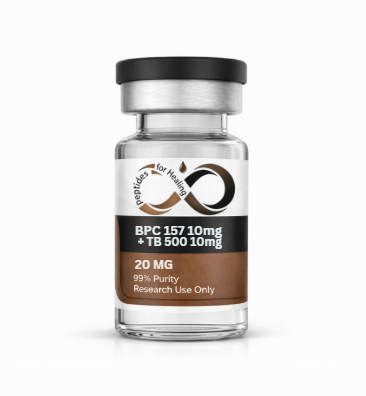
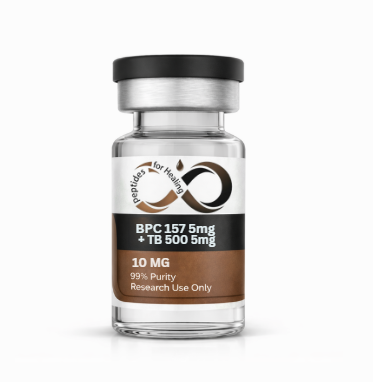
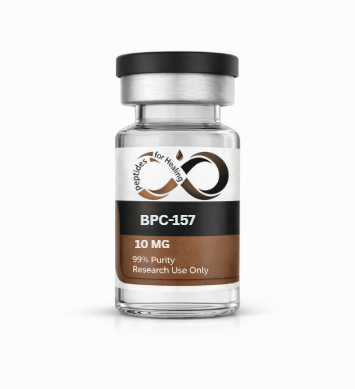
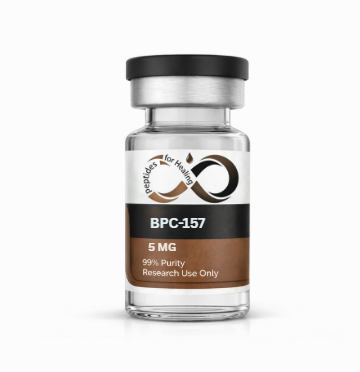
BPC-157 https://peptidesforhealing.com/peptides/bpc-157-5mg-x-10-vials/ is widely referenced in recovery-related research due to its strong association with soft tissue repair pathways.
It is commonly studied in relation to:
One of the reasons BPC-157 receives significant attention is its broad range of potential tissue interactions in preclinical studies. It is frequently discussed in both sports recovery and injury rehabilitation research contexts.
Related topic: https://peptidesforhealing.com/peptides-for-tendon-healing/
TB-500 https://peptidesforhealing.com/peptides/tb500-thymosin-beta-4-acetate-10mg-x-10-vials/ is another peptide commonly associated with regenerative research and tissue healing processes.
It is studied for its role in:
TB-500 is often discussed alongside BPC-157 because both are linked to complementary biological mechanisms involved in recovery. While they act differently, they are frequently grouped in research discussions focused on connective tissue repair and rehabilitation support.
Related topic: https://peptidesforhealing.com/peptides-for-muscle-healing/
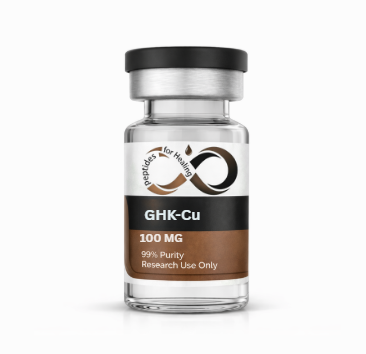
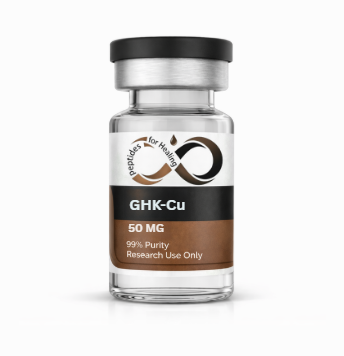
GHK-Cu https://peptidesforhealing.com/peptides/ghk-cu-50mg-x-10-vials/ (Copper Peptide) is a naturally occurring peptide-copper complex widely studied for its role in skin health and tissue regeneration.
Research interest includes:
GHK-Cu is especially well known in dermatological and cosmetic research due to its association with skin elasticity, repair, and visible tissue regeneration processes. It is also studied for broader connective tissue effects beyond the skin.
Related topic: https://peptidesforhealing.com/peptides-for-wound-healing/
Injury recovery involves multiple biological systems working together to restore damaged tissue. Peptides are studied as part of these processes based on the type of tissue involved.
Different recovery pathways include:
Muscle tissue recovery focuses on protein synthesis and cellular repair.
Tendon and ligament recovery involves collagen restructuring and mechanical strength restoration.
Joint recovery focuses on cartilage support and inflammation regulation.
In research settings, peptides are evaluated based on how they may influence these specific biological repair mechanisms rather than acting as standalone treatments.
Related pages:
https://peptidesforhealing.com/peptides-for-injury-healing/
https://peptidesforhealing.com/peptides-for-joint-healing/
https://peptidesforhealing.com/peptides-for-tendon-healing/
Post-surgical healing is a complex process involving inflammation control, tissue formation, and long-term structural remodeling. Recovery typically occurs in phases, beginning with inflammation and progressing toward tissue rebuilding and strengthening.
Peptides studied in this context are associated with:
Because surgical recovery varies depending on the procedure and individual health factors, peptide research in this area remains largely exploratory and is still being evaluated in clinical settings.
Related topic: https://peptidesforhealing.com/peptides-for-healing-after-surgery/
Beyond the most widely discussed compounds, several other peptides are frequently included in recovery and regeneration research:
IGF-1 (Insulin-like Growth Factor-1) is studied for its role in muscle repair and growth signaling.
Sermorelin is associated with growth hormone pathway activation and recovery processes.
Ipamorelin is often discussed in relation to regenerative signaling and recovery optimization.
MOTS-c is studied for mitochondrial function and cellular energy regulation.
These peptides are part of broader investigations into how cellular signaling may influence recovery and long-term tissue health.
Although interest in peptides for healing continues to grow, the scientific evidence is still developing. Many compounds are not yet fully understood in human clinical contexts.
Key limitations include:
As a result, peptide science is still considered an emerging field within regenerative medicine.
While peptide research is expanding, real-world recovery depends heavily on foundational biological and lifestyle factors:
These elements form the essential base of any effective healing process, regardless of emerging research compounds.
The most commonly studied include BPC-157, TB-500, and GHK-Cu due to their association with tissue repair mechanisms.
BPC-157 is frequently referenced in research discussions for its broad involvement in soft tissue healing pathways.
Some peptides are being investigated for their potential role in regenerative processes, but human clinical evidence remains limited.
They are being studied for possible effects on biological repair pathways, but results are not yet fully confirmed in medical practice.
The best peptides for healing are currently part of ongoing scientific investigation into how the body repairs itself at a cellular level. While compounds like BPC-157, TB-500, and GHK-Cu show strong research interest, they remain within the experimental phase of study.
Understanding recovery still depends on a combination of biological mechanisms, rehabilitation strategies, and lifestyle factors that support the body’s natural healing capacity.