
Your cart is empty
You may check out all the available products and buy some in the shop
Return to shopInjuries affecting muscles, tendons, ligaments, joints, and connective tissues can significantly impact movement, performance, and long-term physical health. Peptides for injury healing are increasingly studied in regenerative medicine because recovery depends on coordinated processes such as inflammation control, collagen formation, cellular repair, and tissue remodeling.
Interest in peptides for injury healing continues to grow in sports science and recovery research as scientists investigate how biological signaling molecules may support the body’s natural healing processes. Compounds such as BPC-157, TB-500 (Thymosin Beta-4), and GHK-Cu are frequently referenced in studies related to soft tissue repair and regenerative pathways.
This page explores how injury healing works and how peptides for injury healing are being studied in modern regenerative science.
When the body experiences injury, it immediately activates a biological repair response designed to restore damaged tissue.
Healing typically occurs in three overlapping stages.
The first stage is inflammation, where the body clears damaged cells and activates immune signaling to begin repair.
The second stage is tissue formation, where new cells and collagen begin rebuilding the affected area.
The third stage is remodeling, where newly formed tissue strengthens and reorganizes over time.
One reason peptides for injury healing are widely researched is because these biological stages rely heavily on cellular communication and repair signaling pathways.
Healing speed depends on multiple factors including:
Scientific reference on tissue repair processes:
https://www.ncbi.nlm.nih.gov/pmc/articles/PMC3492703/
Peptides for injury healing are short amino acid chains that act as signaling molecules in the body. They do not directly rebuild tissue but may influence how cells respond during recovery.
Researchers studying peptides for injury healing focus on several key biological mechanisms:
Inflammation regulation is essential because excessive inflammation can delay recovery and increase tissue damage.
Collagen synthesis is another key focus since connective tissues rely heavily on collagen structure for strength and stability.
Angiogenesis, or new blood vessel formation, is studied because improved circulation supports oxygen and nutrient delivery to injured areas.
Cellular migration and extracellular matrix remodeling are also important in regenerative repair processes.
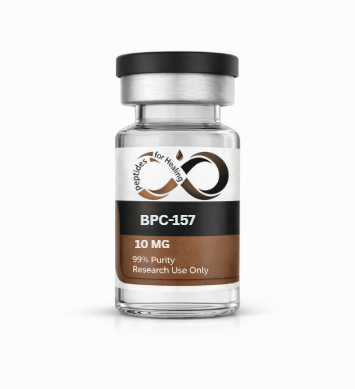
BPC-157 https://peptidesforhealing.com/peptides/bpc-157-5mg-x-10-vials/ is one of the most widely discussed compounds in peptides for injury healing research.
It has been studied in preclinical models involving muscle damage, tendon injuries, ligament repair, and gastrointestinal tissue recovery.
Research interest includes:
BPC-157 is frequently referenced in regenerative science, although human clinical evidence remains limited.
Related reading: https://peptidesforhealing.com/peptides-for-tendon-healing/
TB-500 (Thymosin Beta-4) https://peptidesforhealing.com/peptides/tb500-thymosin-beta-4-acetate-10mg-x-10-vials/ is another peptide commonly associated with peptides for injury healing research.
It plays an important role in actin regulation, which is essential for cell movement and tissue repair.
Research involving TB-500 focuses on:
These functions are particularly relevant in soft tissue injuries involving muscles, tendons, and ligaments.
Related reading: https://peptidesforhealing.com/peptides-for-muscle-healing/
GHK-Cu https://peptidesforhealing.com/peptides/ghk-cu-50mg-x-10-vials/ is a copper-binding peptide widely studied in skin regeneration and connective tissue repair.
In relation to peptides for injury healing, it is associated with:
GHK-Cu is often studied in both cosmetic and medical research contexts involving tissue regeneration.
Related reading: https://peptidesforhealing.com/peptides-for-wound-healing/
Collagen is one of the most important structural proteins involved in injury healing.
Tendons, ligaments, muscles, skin, and joints all depend on collagen integrity for strength and functionality.
One reason peptides for injury healing are extensively studied is their potential role in influencing collagen synthesis and remodeling during recovery.
Improper collagen alignment can reduce tissue strength and increase the risk of reinjury.
Related reading: https://peptidesforhealing.com/peptides-for-joint-healing/
Gut health plays an important role in overall recovery because nutrient absorption, immune regulation, and inflammation control are closely connected to the digestive system.
Poor gut function can negatively affect healing processes throughout the body.
This is why regenerative research often explores links between inflammation, gut barrier integrity, and tissue repair.
Related reading: https://peptidesforhealing.com/peptides-for-gut-healing/
Although peptides for injury healing are widely discussed in scientific and wellness communities, most evidence is still in early research stages.
Many findings come from laboratory or animal studies rather than large-scale human clinical trials.
This means effectiveness, safety, dosage, and long-term outcomes are not fully established.
Because of this, peptides should be considered experimental compounds within regenerative science rather than approved medical treatments.
Even with growing interest in peptides for injury healing, recovery still depends primarily on foundational biological and physical principles.
Rehabilitation is essential because controlled mechanical loading helps tissues adapt and strengthen.
Other important factors include:
Without these fundamentals, recovery is often incomplete regardless of experimental approaches.
Peptides for injury healing are amino acid chains studied for their potential role in tissue repair, inflammation regulation, and recovery signaling.
BPC-157 and TB-500 (Thymosin Beta-4) are among the most commonly researched compounds in injury recovery studies.
Some peptides are being studied for their potential role in tissue regeneration, but human clinical evidence remains limited.
Most peptides discussed in regenerative medicine are still experimental and not officially approved for medical use in humans.
Research suggests peptides may influence healing pathways in muscles, tendons, ligaments, and connective tissues.
Explore additional guides covering some of the most researched areas in peptide-based recovery, tissue repair, and regenerative science.
Best Peptides for Healing
https://peptidesforhealing.com/best-peptides-for-healing/
A broad overview of the most commonly discussed peptides in healing and recovery research.
Peptides for Gut Healing
https://peptidesforhealing.com/peptides-for-gut-healing/
A detailed look at peptides explored in gastrointestinal research, focusing on intestinal lining repair, inflammation control, and digestive recovery.
Peptides for Joint Healing
https://peptidesforhealing.com/peptides-for-joint-healing/
Covers peptides studied in relation to joint health, cartilage support, and mobility-related recovery mechanisms.
Peptides for Muscle Healing
https://peptidesforhealing.com/peptides-for-muscle-healing/
Explores peptides associated with muscle recovery, repair signaling pathways, and post-injury regeneration.
Peptides for Tendon Healing
https://peptidesforhealing.com/peptides-for-tendon-healing/
Focuses on peptides frequently researched for tendon repair, connective tissue recovery, and structural healing support.
Peptides for Wound Healing
https://peptidesforhealing.com/peptides-for-wound-healing/
Discusses compounds studied for skin repair, wound closure, and tissue regeneration processes.