





Your cart is empty
You may check out all the available products and buy some in the shop
Return to shopResearch peptides are synthetic chains of amino acids studied for their roles in cellular communication, recovery pathways, tissue repair, metabolic function, performance science, and regenerative research. Scientists study these compounds in laboratory settings because peptides act as biological messengers that influence many physiological processes in the body.
This category includes a wide range of research peptides linked to healing, muscle development, metabolism, longevity science, cognitive support, hormone signaling, and recovery-focused studies. Researchers focus on peptides because they may interact with inflammation pathways, collagen production, mitochondrial function, growth signaling, and tissue remodeling processes.
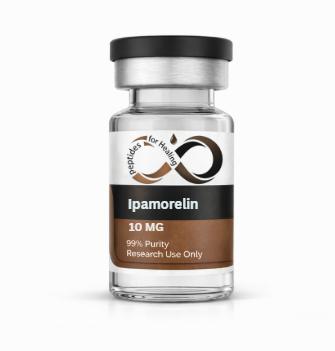
Commonly studied compounds include BPC-157, TB500 (Thymosin Beta-4), GHK-Cu, IGF-1 LR3, CJC-1295, Ipamorelin, Retatrutide, Tirzepatide, MOTS-c, SS-31, and Thymosin Alpha-1. Studies often examine their potential roles in muscle recovery, connective tissue repair, post-training recovery, metabolic support, and cellular regeneration.
Researchers group peptides based on their primary research focus, including healing and recovery, metabolic support, performance optimization, cognitive research, and longevity science.
Researchers and peptide enthusiasts studying tissue repair and recovery can explore our guide on
Peptides for Healing.
For connective tissue recovery, tendon support, and rehabilitation research, visit
Healing & Recovery Peptides.
For deeper coverage of regeneration-focused compounds, see
Best Peptides for Healing.
For injury-related recovery research, explore
Peptides for Injury Healing.
For peptide administration methods and protocol discussions, read
Peptide Injections for Healing.
For broader regenerative science approaches, see
Peptide Therapy for Healing.
All products in this category support informational and research-based exploration of peptide science, recovery studies, metabolic research, and regenerative applications.
Healing and recovery peptides are studied for their potential roles in tissue repair, inflammation response, and post-injury regeneration. Researchers focus on how these compounds may support connective tissue, tendons, and cellular recovery pathways.
Explore Healing & Recovery Peptides
Muscle recovery peptides are researched for their potential influence on muscle repair, growth signaling, and post-exercise recovery. Studies examine how these peptides may support faster recovery after physical stress and training.
Explore Muscle Recovery Peptides
Weight loss peptides are studied for their effects on metabolism, appetite regulation, and energy balance. Researchers examine how these compounds may influence fat metabolism and metabolic signaling pathways.